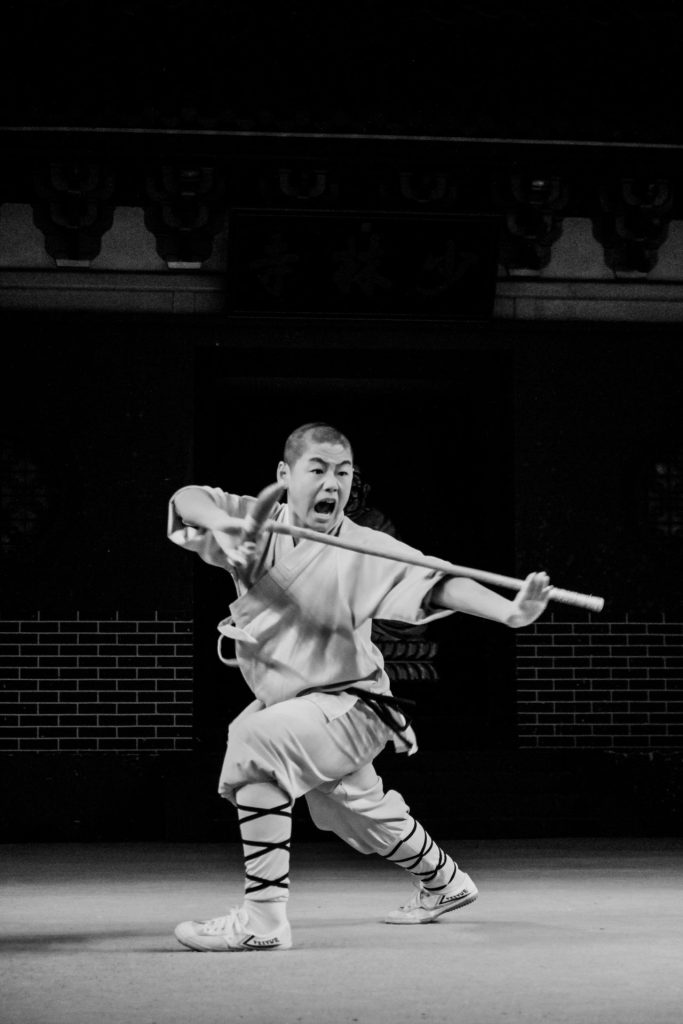
In today’s world, the message is clear: keep pushing. Hustle harder. Stay productive. Don’t stop.
But warriors—real warriors—don’t burn themselves out in battle. They don’t fight when the terrain favors retreat. They don’t swing wildly just to stay active. They move with purpose.
The martial mindset teaches us a truth the modern world often forgets:
Peak performance isn’t about going all-out all the time. It’s about knowing when to act, and when to rest.
If you feel exhausted, scattered, or stuck in a cycle of overexertion and burnout, this guide is for you.
Lesson 1: Know Your Terrain (Self-Awareness Is Strategy)
“If you know the enemy and know yourself, you need not fear the result of a hundred battles.” – Sun Tzu, The Art of War
Before charging forward, great generals study the land. In the same way, warriors learn to study their internal terrain:
- When are you most focused?
- What drains you the fastest?
- What are your energy triggers or traps?
Modern neuroscience backs this up. Our brains naturally cycle through ultradian rhythms—90- to 120-minute bursts of focus followed by dips in performance. Pushing through the lows leads to mistakes, poor decisions, and stress.
Warrior move: Track your energy. Learn when you’re at your sharpest. Structure your day to match. Don’t fight uphill if you can wait for higher ground.
Lesson 2: Choose the Right Moment to Strike (Timing Beats Force)
In combat, as in life, timing is everything. A well-placed strike at the right moment can do what brute force never could.
Sun Tzu wrote that the skilled warrior appears passive until the perfect moment—and then moves decisively.
In modern terms: Don’t confuse activity with effectiveness. Focus your energy when it matters most. You don’t need to do everything—just the right thing at the right time.
Warrior move: Identify your “target” task for the day—the one that moves the needle. Conserve energy for that. Let go of the illusion of endless productivity.
Lesson 3: Rest is a Weapon (Not a Weakness)
“Rest when you are weary. Refresh and renew yourself.” – Marcus Aurelius
In martial arts, recovery is as essential as training. Muscles need rest to grow. The mind needs pause to reflect. Even elite fighters withdraw when the battle turns disadvantageous.
NEW! Put the principles from this article into practice with the free courage-boosting MaArtial app on the App Store for iOs and Play Store for Android.
Yet many of us treat rest like failure. We push through fatigue, stress, and burnout—only to collapse later.
Neuroscience shows that chronic stress depletes the prefrontal cortex, the part of the brain responsible for focus, decision-making, and willpower. Strategic rest allows it to reset and strengthen.
Warrior move: Schedule pauses with the same discipline you schedule effort. Walking, meditating, napping, silence—it’s not avoidance. It’s reloading.
Lesson 4: Conserve Energy for What Matters
In many martial arts, fighters are taught to economize motion. No wasted movements. Every step, strike, or shift is intentional.
Apply this principle to your own day. Ask:
- Is this worth my energy?
- Is this urgent or just noisy?
- Am I reacting, or responding?
Every unnecessary meeting, worry spiral, or emotional reactivity is an energy leak.
Warrior move: Protect your mental energy like a resource. Create boundaries. Say no. Focus only on what aligns with your mission.
Lesson 5: Discipline Is What Balances the Push and the Pause
Discipline isn’t just about hard work. It’s about knowing when to stop.
Modern neuroscience refers to this as cognitive pacing—consciously balancing effort with rest to avoid mental fatigue and maintain consistent performance. High performers don’t sprint all day—they pace like marathoners.
The martial mindset agrees: a warrior isn’t someone who fights all the time—it’s someone who knows exactly when to act.
Warrior move: Create rituals. Start your day with intention. End it with reflection. Give yourself non-negotiable moments of pause, so your push remains powerful.